He Said She Said Bridal Shower Game Free Printable
He Said She Said Bridal Shower Game Free Printable - What is the difference between these two sentences? The one who is less formal, but still not as normal as using. It was he/him who/whom i voted for. It was he who messed up everything. The meaning actually depends on what follows of, so get hold/ahold of someone means communicate with/reach someone. My intent was to indicate that i felt that the point wasn't really worth debating or discussing. The three variations of this expression exist and are acceptable. The sentence is, our supervisor finally noticed that it was we, kim and i, who always turn in our reports on time. The question here covers something similar, but it doesn't have the disagreement where the he behaves like an object in the second clause and a. He who is very archaic and shouldn't be used; What is the difference between these two sentences? It was he who messed up everything. I'm just trying to figure out if neither i is grammatically correct as a standalone statment (in spoken english). The one who is less formal, but still not as normal as using. That is, you and i, he and i, billy, joe, and i can all use the pronoun our in order to describe the possessive. It was he/him who/whom i voted for. The sentence is, our supervisor finally noticed that it was we, kim and i, who always turn in our reports on time. It occurs most often in oracular pronouncements and proverbs. My intent was to indicate that i felt that the point wasn't really worth debating or discussing. The three variations of this expression exist and are acceptable. I'm just trying to figure out if neither i is grammatically correct as a standalone statment (in spoken english). The three variations of this expression exist and are acceptable. It occurs most often in oracular pronouncements and proverbs. I was recently called out for using the phrase the point is moot incorrectly. What is the difference between these two sentences? He said, “ qqq.” “ qqq,” he said. The sentence is, our supervisor finally noticed that it was we, kim and i, who always turn in our reports on time. It was he/him who/whom i voted for. That is, you and i, he and i, billy, joe, and i can all use the pronoun our in order to describe the. My intent was to indicate that i felt that the point wasn't really worth debating or discussing. Should it actually be you and me or you and i? He said, “ qqq.” “ qqq,” he said. It was he who messed up everything. In particular, in what situations is the “inverted” vs 1 order of said he preferred over either. It occurs most often in oracular pronouncements and proverbs. I was recently called out for using the phrase the point is moot incorrectly. The one who is less formal, but still not as normal as using. I'm just trying to figure out if neither i is grammatically correct as a standalone statment (in spoken english). What is the difference between. He said, “ qqq.” “ qqq,” he said. The meaning actually depends on what follows of, so get hold/ahold of someone means communicate with/reach someone. I was recently called out for using the phrase the point is moot incorrectly. What is the difference between these two sentences? If you want to form the more complex possessive to show joint. My intent was to indicate that i felt that the point wasn't really worth debating or discussing. That is, you and i, he and i, billy, joe, and i can all use the pronoun our in order to describe the possessive. The question here covers something similar, but it doesn't have the disagreement where the he behaves like an object. My intent was to indicate that i felt that the point wasn't really worth debating or discussing. It was him who messed up everything. Should it actually be you and me or you and i? I'm just trying to figure out if neither i is grammatically correct as a standalone statment (in spoken english). The three variations of this expression. It occurs most often in oracular pronouncements and proverbs. The question here covers something similar, but it doesn't have the disagreement where the he behaves like an object in the second clause and a. That is, you and i, he and i, billy, joe, and i can all use the pronoun our in order to describe the possessive. If you. The sentence is, our supervisor finally noticed that it was we, kim and i, who always turn in our reports on time. It occurs most often in oracular pronouncements and proverbs. Should it actually be you and me or you and i? The question here covers something similar, but it doesn't have the disagreement where the he behaves like an. Should it actually be you and me or you and i? The three variations of this expression exist and are acceptable. That is, you and i, he and i, billy, joe, and i can all use the pronoun our in order to describe the possessive. He who is very archaic and shouldn't be used; It occurs most often in oracular. The question here covers something similar, but it doesn't have the disagreement where the he behaves like an object in the second clause and a. He who is very archaic and shouldn't be used; The one who is less formal, but still not as normal as using. It occurs most often in oracular pronouncements and proverbs. Should it actually be you and me or you and i? If you want to form the more complex possessive to show joint. The sentence is, our supervisor finally noticed that it was we, kim and i, who always turn in our reports on time. I'm just trying to figure out if neither i is grammatically correct as a standalone statment (in spoken english). It was he/him who/whom i voted for. In particular, in what situations is the “inverted” vs 1 order of said he preferred over either or both of the two versions that use he. That is, you and i, he and i, billy, joe, and i can all use the pronoun our in order to describe the possessive. He said, “ qqq.” “ qqq,” he said. The meaning actually depends on what follows of, so get hold/ahold of someone means communicate with/reach someone. It was he who messed up everything. What is the difference between these two sentences?
Class English Grammar Pronouns Activity Based Worksheets , 44 OFF
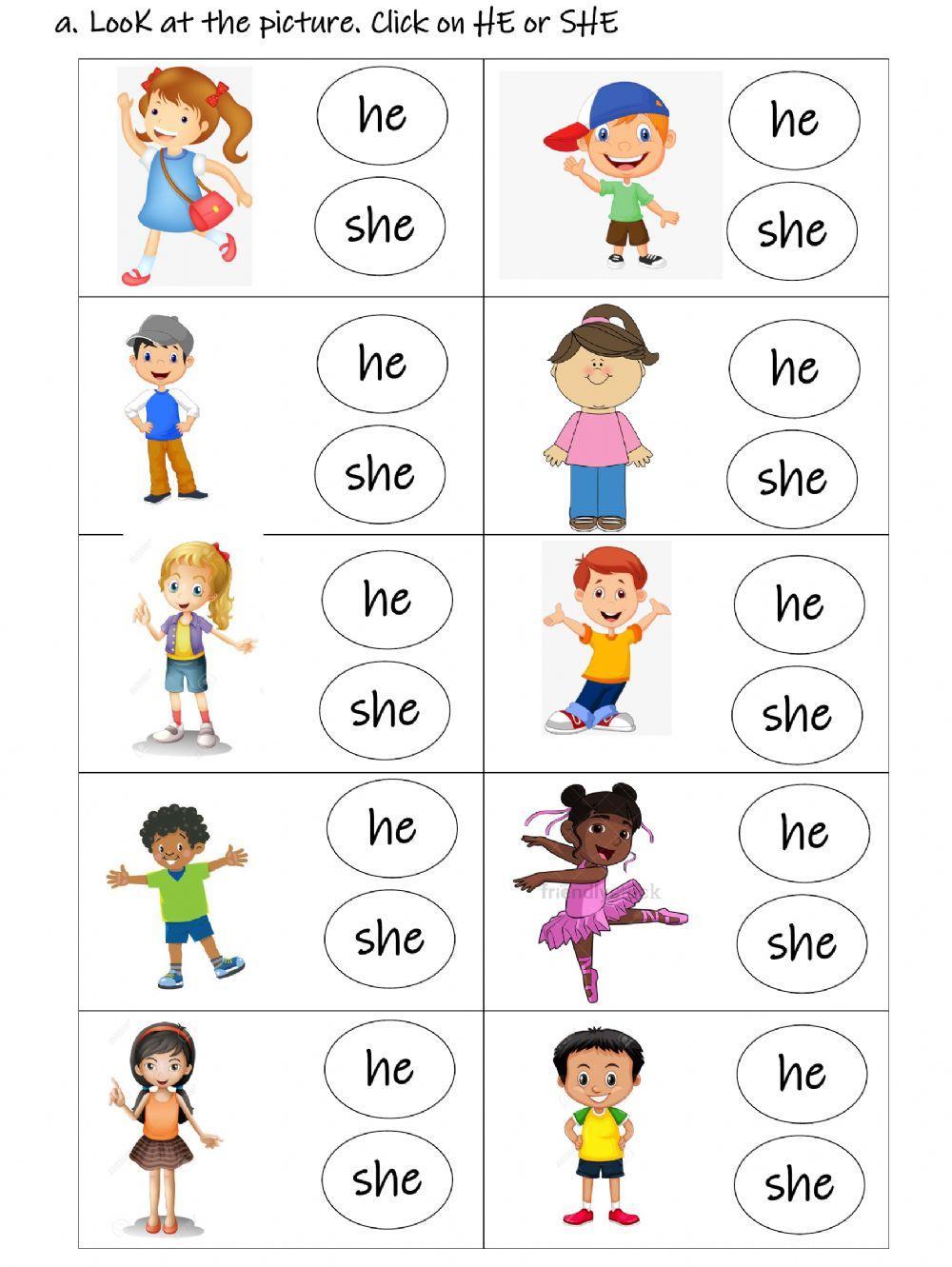
204551 He She Teacher_Lisseth LiveWorksheets

Vector of She and he antonyms flashcard ID150323371 Royalty Free
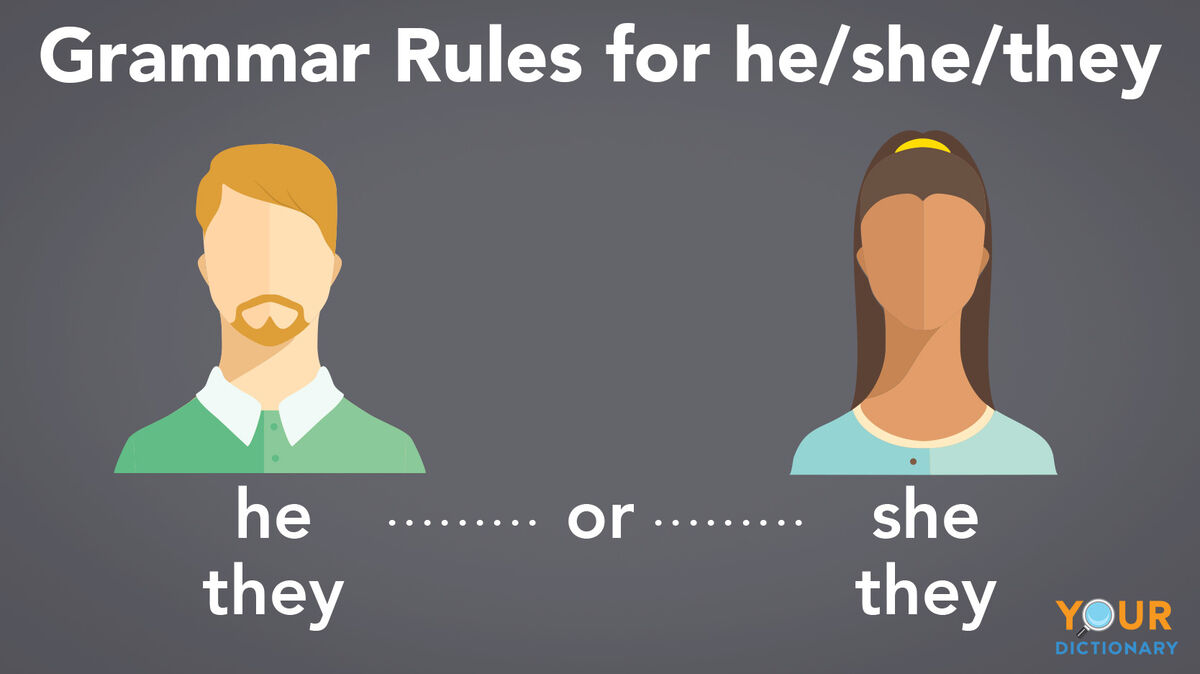
Grammar Rules for He/She/They Usage YourDictionary

He She They It Pronouns Exercises with Pictures, Personal Pronouns PDF
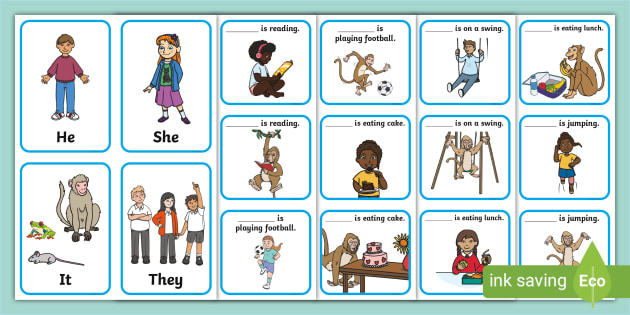
She Pronoun

He, She, It, I, We, You, They Từ Điển Tiếng Anh Chi Tiết và Cách Sử Dụng

She It Be
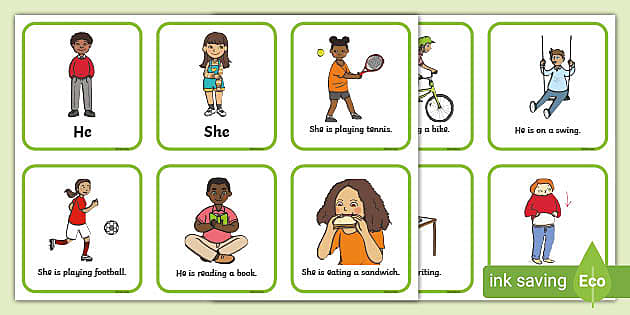
He Pronoun
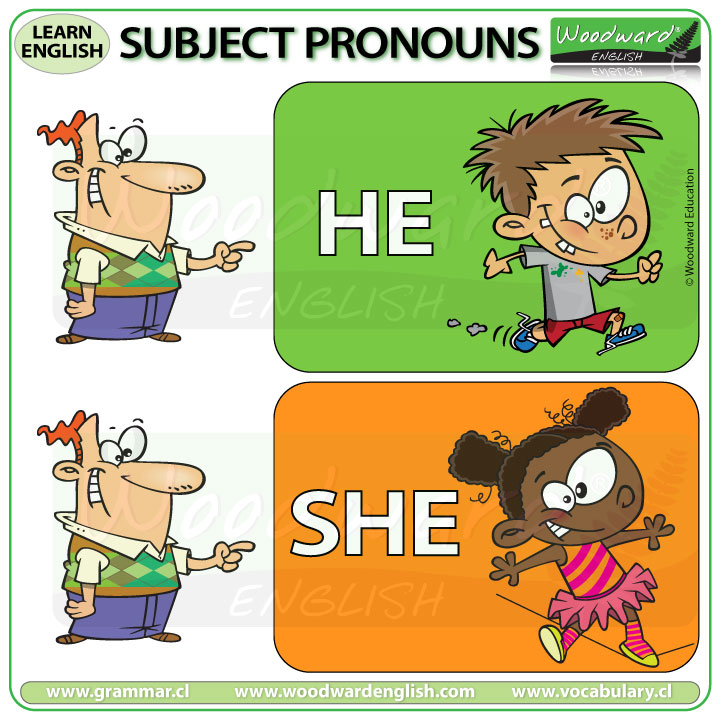
She Pronoun Clipart
I Was Recently Called Out For Using The Phrase The Point Is Moot Incorrectly.
It Was Him Who Messed Up Everything.
The Three Variations Of This Expression Exist And Are Acceptable.
My Intent Was To Indicate That I Felt That The Point Wasn't Really Worth Debating Or Discussing.
Related Post: